Craps horn bet explained simply means placing a single chip on the horn area to cover the numbers 2, 3, 11, and 12 in one move. For Australian adults weighing table play, the appeal sits in the quick payout rhythm rather than a long-term edge. The bet pays differently on each number, and the house keeps a built-in advantage that mirrors how bookmakers’ “overround” means the implied probabilities sum to more than 100%. If you are comparing a live table session to a digital lobby, the structure of the wager matters more than the noise around the table.
How the Horn Bet Shapes a Table Session
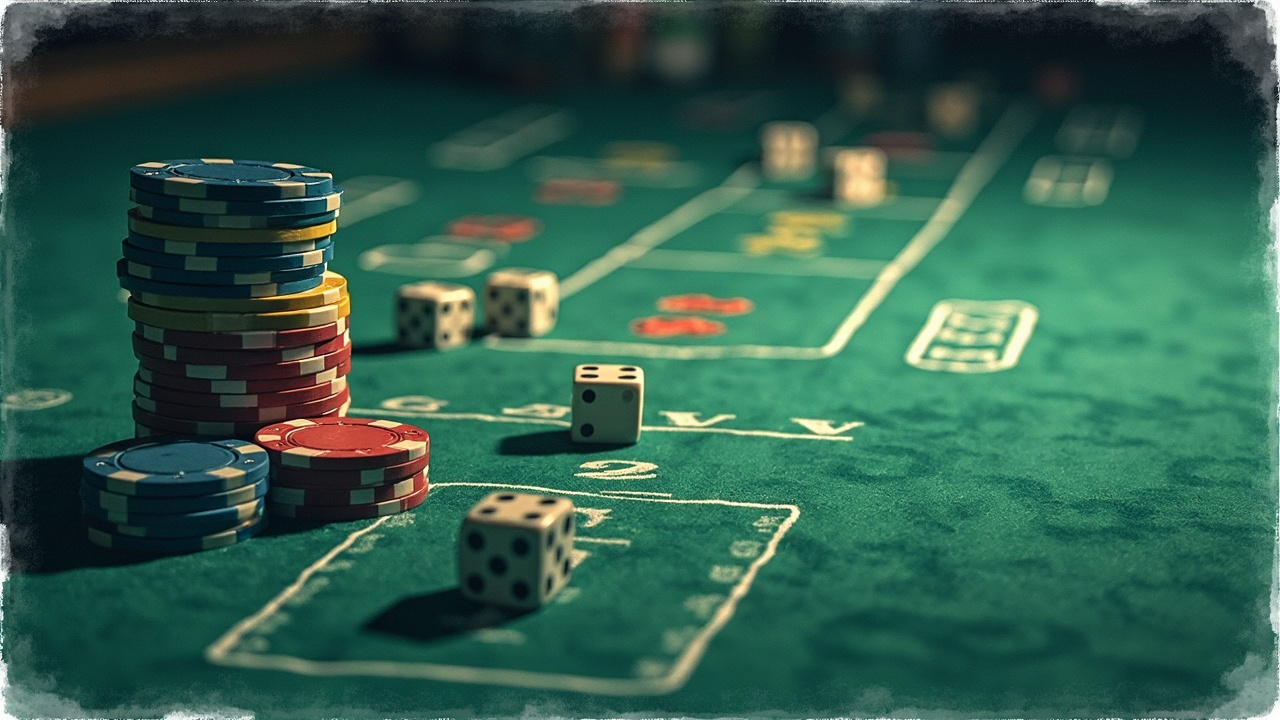
A horn bet splits a single stake across four outcomes, usually with five chips placed on the layout so the dealer can return the losing portions and pay the winner. The 2 and 12 typically pay 30 to 1, while 3 and 11 pay 15 to 1, and the house edge stays high because most rolls miss the horn entirely. For a player who enjoys fast resolution and a clear payout table, that structure can feel satisfying in short bursts, especially when the table pace is steady and the stickman keeps the rhythm visible. The trade-off is that the bet does not build slowly; it either hits or it does not, which is why some regulars treat it as a spot wager rather than a session plan.
When I translate growth goals into consistent customer-facing experiences, I look for the same clarity in a lobby that I look for at a felt table. A well-organised game mix should let a player find the table or live dealer content they want without hunting through unrelated slots, and the discovery path should match the intended session length. If the lobby buries table games behind a generic grid, the experience feels disconnected from the wager itself, which is the same problem I see when a brand promises a consistent tone but delivers a scattered interface. Deeper penetration benefits skilled card counters, but the horn bet does not reward that kind of edge work, so the relevant skill here is bankroll pacing and knowing when a spot bet has done its job.
Liam McKenzie, Head of Live Casino, Southern Cross Gaming Advisory, sees the same split in how operators present table content: “A horn bet is a momentary thrill, and it only reads well when the surrounding table experience is honest about pace, limits, and payout clarity.” That comment matters because a table can look lively without being useful, and a player who expects a slow-building strategy will walk away frustrated. The practical takeaway is to treat the horn bet as a defined slice of a session, not the session itself, and to check the table limits before committing to a stake that feels too heavy for the rhythm you want.
Where the Horn Bet Fits a Player’s Session Plan
Player fit depends on what you want from the session. If you are after a brief, high-variance moment inside a longer table visit, the horn bet can sit alongside pass line action or come bet play without taking over the whole plan. If you want a steadier ride, the horn bet is the wrong anchor because the payouts are lumpy and the misses are frequent. A sensible approach is to decide the role of the bet before the dice roll, then keep the stake proportional to the rest of the table bankroll rather than treating a single hit as a signal to push harder.
A second scenario is the player who likes live dealer atmosphere but wants a clear ceiling on how much a single wager can swing the session. In that case, the horn bet works best as a small marker bet that adds texture without dominating the math. The key is consistency: same table, same limit awareness, same exit rule if the roll sequence runs cold. That discipline is the part I care about when I connect brand strategy to digital execution, because a consistent customer-facing experience should make the decision points obvious rather than hiding them behind noise.
A third scenario is the casual player who is mostly there for the social rhythm of a live table and does not want to overthink every roll. Here the horn bet can be a simple, self-contained action that does not require tracking multiple bets or reading a complex layout. Even so, the bet still carries a heavy house edge, so the enjoyment has to come from the moment, not from an expectation of long-run balance. Eliza Green, Product Analytics Lead, Banksia Betting Partners, puts the analytics in plain terms: “Players who treat a horn bet like a strategy bet usually misread the distribution, because the payout table is attractive precisely because the hits are rare.” That is a useful caution, not a verdict against the bet itself. winspirit login on official portals
• Decide the bet’s role before the session starts, whether it is a spot mark or a short-lived thrill.
• Keep the stake proportional to the rest of the table bankroll, not to a hoped-for payout.
• Check the table limits and payout presentation before placing the wager, especially on a busy night in Melbourne when the pace can shift quickly.
• Treat a hit as a single event, not as a reason to increase the next stake.
• Match the bet to your session goal, since the horn bet does not suit a slow-building plan.
Comparing Table Pace to a Digital Lobby Experience
The horn bet also reveals how different a live table feels from a digital game lobby. On the felt, the pace is physical and visible: the stickman, the dealers, the rhythm of the roll, and the way a wager sits in the layout until the result lands. In a lobby, the equivalent is how quickly a player can find the table or live dealer content, read the limits, and understand the wager without digging through unrelated slots or promotional clutter. If the lobby is organised around clear categories and a sensible search flow, the transition from interest to action feels coherent. If it is not, the player spends more time navigating than playing, which is the same kind of friction I try to remove when I align design with execution.
For an Australian player comparing options, the practical question is not whether the horn bet is glamorous, but whether the surrounding experience supports the wager you actually want to make. A table session should make the bet’s role obvious, and a digital lobby should make the game mix easy to scan, with table and live content separated from slots in a way that respects the player’s intent. When I judge a channel decision, I look for that kind of fit: the interface should reflect the experience, not just carry it. The same logic applies to the horn bet, because a wager that is clear on the layout can still feel confusing if the broader environment does not explain it well.
The disagreement here is real and worth keeping in balance. Some operators lean into the energy of the table and present the horn bet as part of the excitement, while regulators and analytics-focused teams emphasise that the bet is high-variance and should be understood as such. Neither side is wrong in absolute terms, because a player can enjoy the moment and still need a clear view of the payout structure and the edge. The useful position is to accept the appeal without pretending the math is generous, and to choose the environment that makes that choice visible rather than decorative.